

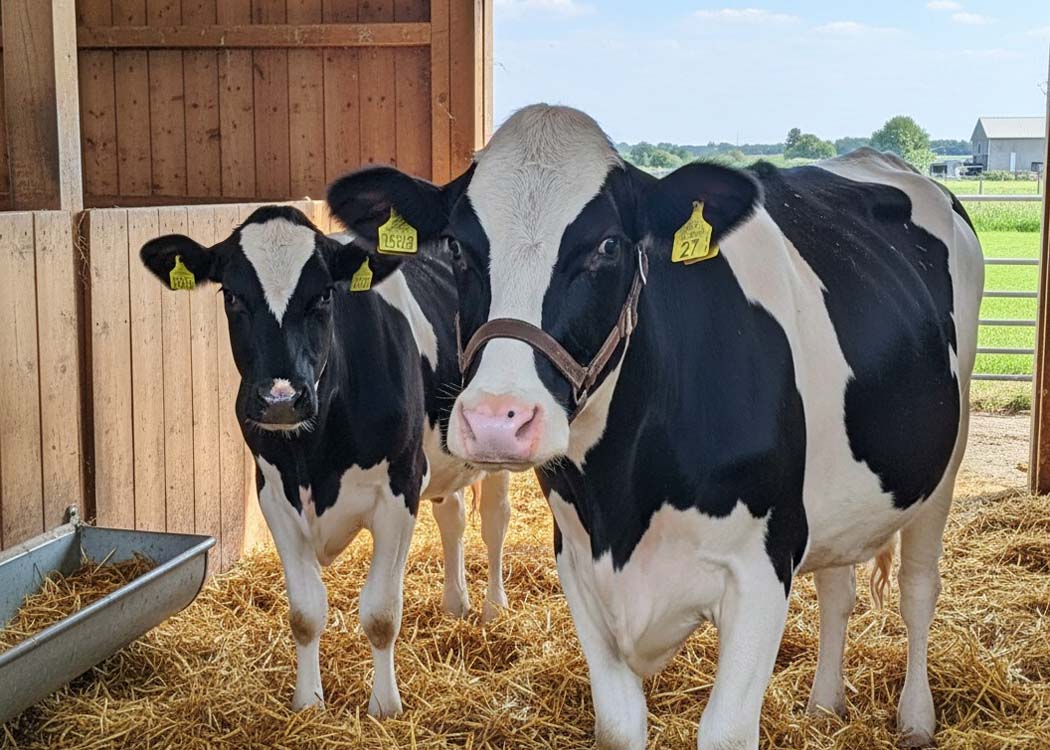
The All Pakistan Meat Exporters and Processors Association has warned that unrestricted live animal exports could weaken Pakistan’s livestock economy, raise domestic meat prices and undermine value-added industries, urging policymakers to prioritise processed Halal meat exports instead.
LAHORE: Pakistan should focus on expanding its value-added Halal meat exports rather than permitting large-scale exports of live animals, as exporting livestock in raw form could deprive the country of jobs, industrial activity and higher long-term export earnings, according to the All Pakistan Meat Exporters and Processors Association (AMEPA).
In a policy paper titled Potential Negative Effects of Allowing Live Animal Exports from Pakistan, the association argued that while live animal exports may bring immediate foreign exchange inflows, the practice effectively transfers economic value, employment opportunities and industrial growth to importing countries.
AMEPA said Pakistan’s competitive advantage lies in slaughtering, processing, certifying and exporting Halal meat and livestock by-products, which create significantly greater economic activity than simply exporting animals before processing.
The association noted that livestock is the largest component of Pakistan’s agriculture sector and serves as the backbone of several industries, including meat processing, leather manufacturing, pharmaceuticals, animal feed production, transport services and cold-chain logistics.
According to the report, any decision to permit live animal exports should be assessed not only from an export earnings perspective but also in terms of herd sustainability, food security, domestic meat availability and the long-term viability of Pakistan’s meat processing industry.
The paper warned that unrestricted exports could divert healthy, slaughter-ready animals away from local markets and export-oriented processing facilities, reducing the supply of quality livestock available to domestic processors. Such a shift, it said, could lead to higher meat prices within Pakistan, increase pressure on breeding stocks and weaken the long-term stability of livestock supply chains.
While livestock farmers may initially benefit from improved animal prices, the association cautioned that processors, exporters and consumers could eventually face rising costs and supply shortages.
AMEPA further pointed out that Pakistan has invested heavily in internationally compliant slaughterhouses, veterinary inspection systems, laboratory testing facilities, cold-chain infrastructure and Halal certification mechanisms. A decline in domestic livestock availability could reduce the utilisation of these facilities, increase operating costs and weaken Pakistan’s competitiveness in global meat markets.
The association warned that Pakistan risks transitioning from a value-added Halal meat exporter to merely becoming a supplier of raw livestock if live animal exports are permitted on a large scale.
The policy paper also highlighted the broader economic implications for downstream industries. It noted that hides, skins, edible offal, bones, fats and other by-products generated during slaughter support substantial economic activity and provide raw materials to leather, pharmaceutical and allied industries. Exporting live animals, it said, would deprive these sectors of critical inputs while reducing business opportunities for packaging, logistics and cold storage providers.
According to the report, Pakistan’s exports of meat and meat products reached approximately Rs113 billion during July-March FY2025-26, demonstrating the growing potential of the country’s meat sector. The association argued that processed meat exports generate substantially greater foreign exchange earnings by creating multiple revenue streams from meat and its by-products while supporting employment across the entire value chain.
The report also raised concerns regarding animal health and biosecurity. It warned that large-scale live animal exports could increase disease-related and traceability risks, potentially damaging Pakistan’s reputation in international markets and exposing its meat exports to possible restrictions.
Sharing the policy paper with Business Recorder, AMEPA Chairman Abdul Hannan said the association prepared the report following reports that Punjab had permitted the export of live animals. He recommended that Pakistan avoid general live animal exports and instead strengthen its domestic meat processing industry through investments in cold-chain infrastructure, livestock traceability systems, animal identification, certification mechanisms, breed improvement and international marketing.
According to the association, such a strategy would allow Pakistan to retain value addition within the country, generate employment, support allied industries and create more sustainable and diversified export earnings for the national economy.