

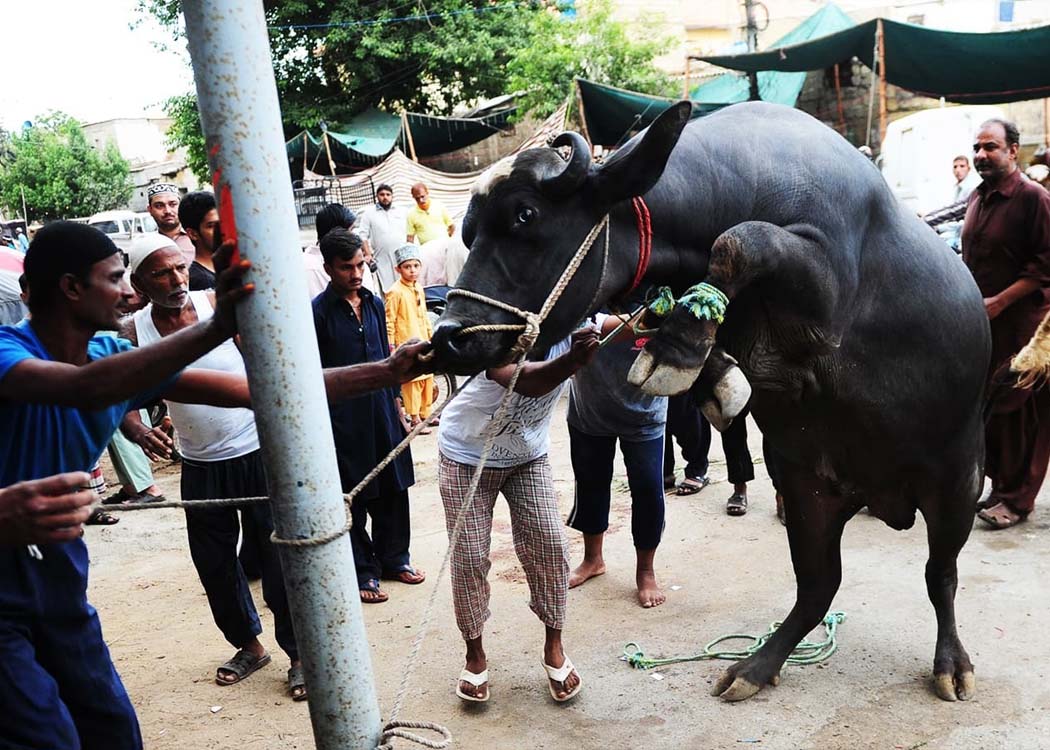
Eidul Azha 2026 generated one of Pakistan’s largest informal livestock cash flows, with the wider Eid economy estimated at around Rs641 billion and hides and skins alone valued at Rs8.67 billion
KARACHI: Pakistan’s Eidul Azha 2026 once again turned the country’s livestock sector into one of its largest short-term economic engines, with sacrificial animal sales estimated to have crossed Rs400 billion and the wider Eid economy valued at around Rs641 billion, according to recent economic analysis and industry-linked figures.
Fresh statistics attributed to the Pakistan Tanners Association show that around 7.47 million animals were sacrificed across the country during Eidul Azha 2026. The sacrificed animals included approximately 2.75 million cows and bulls, 4.20 million goats, 500,000 sheep and 25,000 camels.
While Pakistan does not maintain a single official national qurbani census, hide and skin collection data remains one of the closest available indicators for estimating the scale of Eid sacrifice. Every sacrificial animal produces one hide or skin, making the leather industry’s post-Eid collection figures a useful proxy for measuring the size of the annual qurbani market.
According to the reported Pakistan Tanners Association data, the hides and skins collected from Eid sacrifices were valued at Rs8.67 billion. Cow and bull hides accounted for the largest share, with 2.75 million hides valued at around Rs6.05 billion. Goat skins formed the second-largest category, with 4.20 million skins valued at Rs2.52 billion. Sheep and camel hides made smaller contributions, each valued at around Rs50 million.
However, the value of hides and skins represents only a small fraction of the actual economic activity generated by Eidul Azha. The main flow of money comes from the purchase of sacrificial animals, followed by transport, fodder, mandi operations, butchery services, animal care, hides trading, meat distribution and related informal labour.
Dawn’s economic analysis of Pakistan’s Eidul Azha market estimates total spending on sacrificial animals and ancillary activities at around Rs641 billion, with a defensible range of Rs539 billion to Rs752 billion. Within that larger economy, livestock farmers are estimated to receive more than Rs400 billion through animal sales.
This makes Eidul Azha one of Pakistan’s most powerful annual rural-to-urban and urban-to-rural cash cycles. Millions of urban households purchase animals from rural farmers, traders and livestock handlers, creating a temporary but massive transfer of liquidity into the livestock economy.
The 2026 sacrifice figure also reflects growth over the previous year. Industry-linked reporting states that the number of sacrificial animals increased by around 0.492 million, or 7.06%, compared with approximately 6.977 million animals sacrificed last year.
The scale is significant not only for livestock farmers but also for Pakistan’s leather value chain. Hides and skins collected during Eid feed into the tannery and leather export industries, while thousands of seasonal workers earn income through animal handling, slaughtering, skinning, curing, transportation and market services.
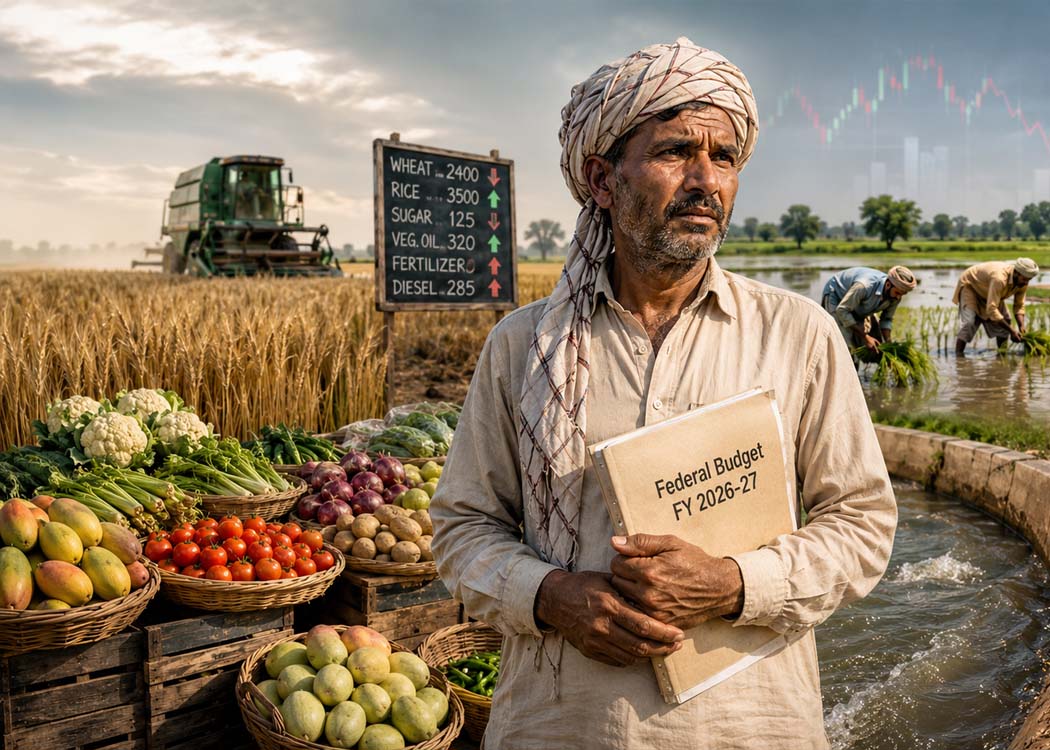
For farmers, Eidul Azha is often the most important income event of the year. Many small and medium livestock producers raise animals for months specifically for qurbani demand. Rising fodder prices, transport costs and market fees directly affect their margins, while urban buyers face higher prices due to inflation, animal shortages in some categories and increased logistics costs.
The animal economy also has a major food redistribution impact. Eidul Azha moves hundreds of thousands of tonnes of meat across Pakistan within three days, with households traditionally dividing meat among family, neighbours and people in need. This makes the event not just a livestock market, but also one of the country’s largest community-based food distribution systems.
Despite its scale, the Eid livestock economy remains largely informal. There is no centralised national dashboard tracking animal sales, mandi transactions, cash movement, slaughter volumes, butcher earnings or meat distribution. Analysts therefore rely on a combination of hides data, municipal waste figures, market prices, State Bank cash-flow indicators and field estimates to approximate the actual size of the economy.
The available figures suggest that Eidul Azha 2026 was not merely a religious occasion, but a massive economic event touching agriculture, livestock, leather, transport, labour, food security and rural household income. With around 7.47 million animals sacrificed, hides and skins worth Rs8.67 billion generated, and animal sales estimated at more than Rs400 billion, Pakistan’s Eidul Azha livestock economy remains one of the country’s largest annual informal markets — powerful, decentralised and still undercounted.