

Pakistan Poultry Association says unresolved taxation on chicks, feed ingredients and processed poultry products may increase production costs, weaken investment and undermine food security goals
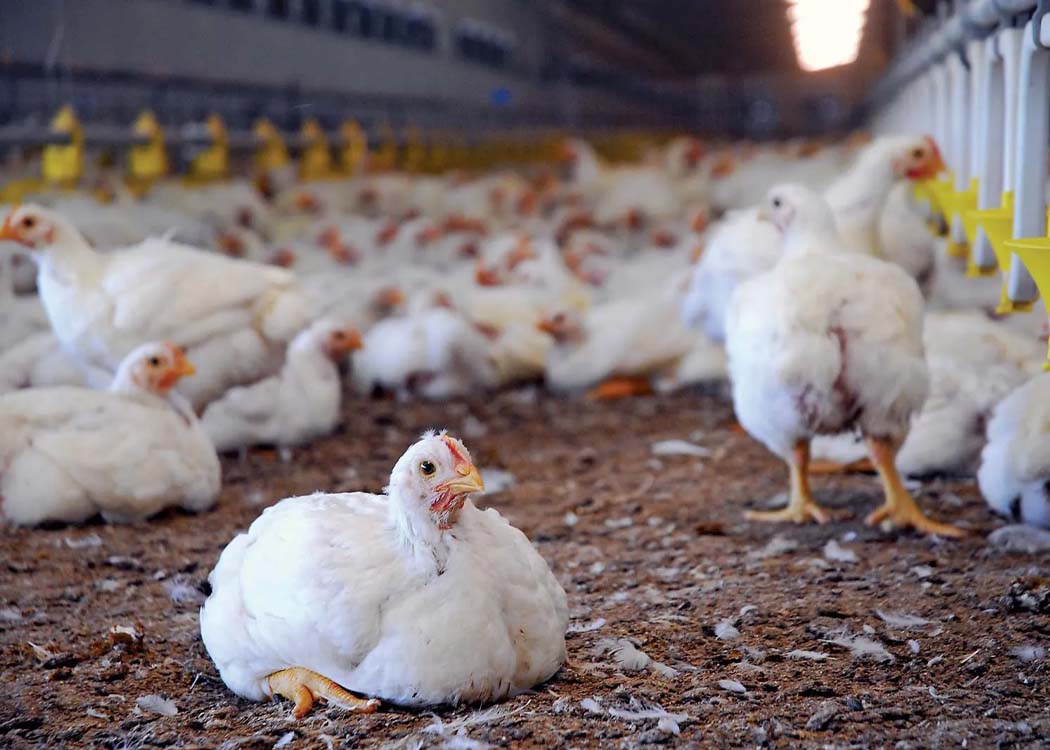
LAHORE: Pakistan’s poultry sector has warned that consumers could face higher chicken and egg prices in the coming months after industry leaders expressed disappointment over the government’s decision to retain several taxes affecting poultry production in the Federal Budget 2026-27.
The Pakistan Poultry Association (PPA) said the budget missed an opportunity to support one of the country’s most important food-producing industries, arguing that unresolved taxation issues will continue to increase production costs across the poultry value chain.
Speaking on behalf of the industry, PPA Chairman Abdul Basit, Vice Chairman Malik Muhammad Sharif, and senior members Dr. FM Sabir and Khalique Arshad said the sector had expected relief measures after months of engagement with policymakers. However, several longstanding concerns remained unaddressed in the budget proposals.
According to the association, the continuation of the Rs10 Federal Excise Duty (FED) on every day-old chick remains a major concern because it affects production costs from the earliest stage of poultry farming. Industry representatives argue that additional costs imposed at the start of the production cycle eventually translate into higher prices for poultry meat and eggs.
The association also criticized the retention of the 18 percent sales tax on processed chicken, saying it discourages investment in modern processing facilities and value-added food production. Industry stakeholders believe that a stronger processed poultry sector could help improve food safety standards, encourage documentation and create new export opportunities.
Another major concern relates to taxes and duties on imported poultry feed ingredients, including soybean meal, amino acids, vitamins and minerals. The PPA noted that feed typically accounts for nearly three-quarters of poultry production expenses, making taxation on feed inputs a significant cost driver for farmers.
Industry leaders stressed that poultry remains one of Pakistan’s most affordable sources of animal protein and plays a critical role in national food security. The sector also supports thousands of farms, feed manufacturers, processors, transporters and workers linked to the broader agricultural economy.
The association warned that increasing production costs could slow investment, reduce expansion plans and affect Pakistan’s competitiveness in regional export markets at a time when the country is seeking to boost agricultural exports and attract private-sector investment.
Calling for a review of the Finance Bill before its final approval, the PPA urged the government to withdraw the FED on day-old chicks, rationalize taxes on processed poultry products and reduce duties on essential feed ingredients.
According to the association, such measures would help stabilize poultry prices, strengthen food security, encourage investment, generate employment and improve the sector’s long-term contribution to Pakistan’s economy. Industry representatives maintained that supporting poultry production is not only an agricultural issue but also a consumer issue, as policy decisions affecting production costs ultimately influence the affordability of chicken and eggs for millions of households across the country.