

Cotton cultivation falls to 2.614 million acres in 2026–27, raising import concerns as structural shift toward sugarcane, policy gaps, and industry pressures reshape Pakistan’s key cash crop landscape.
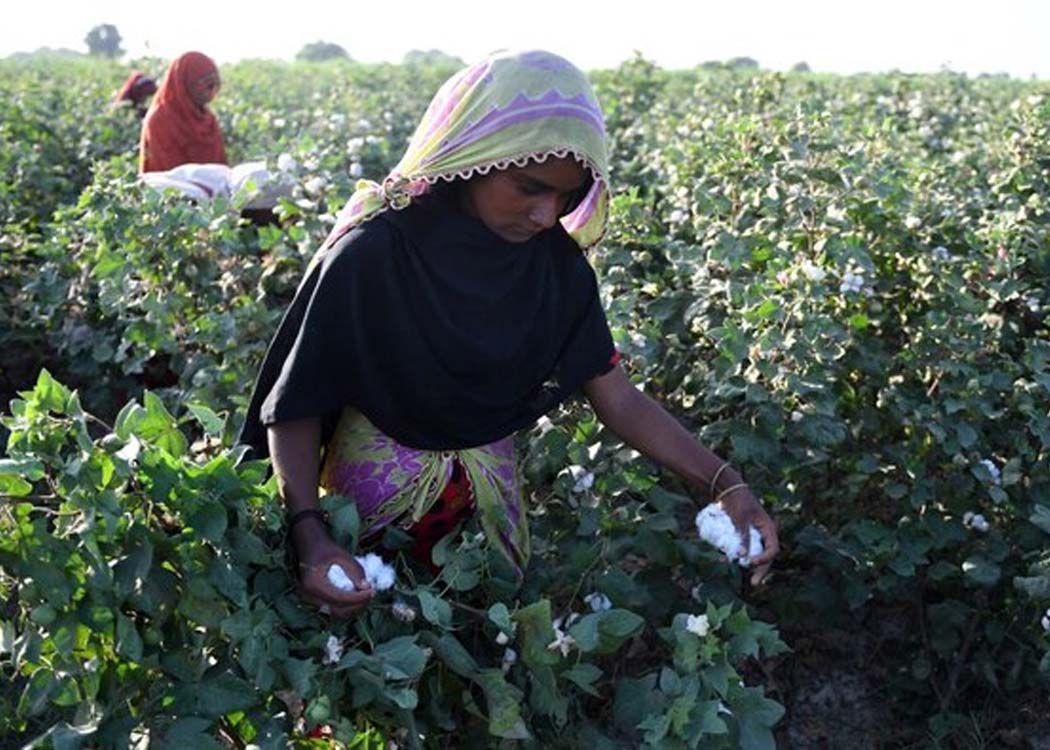
LAHORE: Punjab has recorded a significant shortfall in cotton cultivation during the 2026–27 season, missing its official target by 18 percent, according to data released by the Crop Reporting Services of the Punjab Agriculture Department.
The province had set a cultivation target of 3.2 million acres, but actual sowing reached only 2.614 million acres, leaving a gap of 586,000 acres. The figure also reflects a year-on-year decline of 512,000 acres, signaling continued contraction in one of Pakistan’s most important cash crops.
The shortfall is uneven across the province. In northern Punjab’s divisions of Sargodha, Lahore, Faisalabad, and Sahiwal, cotton was planted on 205,000 acres, significantly below the target of 305,000 acres. In southern Punjab—traditionally the country’s cotton heartland—cultivation reached 2.409 million acres against a target of 2.895 million acres.
Industry voices have pointed to a combination of factors behind the decline. Chairman Cotton Ginners Forum Ihsanul Haq attributes the reduced acreage to adverse weather conditions and the expansion of new sugar mills in and around Rahim Yar Khan and the Punjab–Sindh border region, which he says has encouraged farmers to shift away from cotton cultivation.
The decline comes at a time when Pakistan’s cotton sector is already under structural pressure. Since reaching a peak production of nearly 13.96 million bales in 2014–15, cultivated across around 6 million acres, the crop has steadily lost ground. Current production estimates of around 2.7 million bales reflect a dramatic contraction over the past decade.
Analysts warn that continued decline in local output is likely to increase Pakistan’s dependence on imports, with cotton import requirements potentially reaching billions of dollars annually. Lower cotton production also impacts cottonseed output, which is a key raw material for edible oil, further increasing the country’s import bill.
The sector is also facing financial and policy pressure. Following the federal budget, cotton and phutti prices declined sharply, with Karachi Cotton Association spot rates falling by Rs2,500 per maund, while open market prices dropped to around Rs19,250 per maund in Punjab and Rs18,250 per maund in Sindh.
At the same time, industry stakeholders—including the Pakistan Cotton Ginners Association (PCGA)—have intensified lobbying efforts for relief measures, including potential withdrawal of the proposed 18 percent sales tax on cottonseed and oilcake, which stakeholders argue could affect market stability.
Meanwhile, representatives of the textile sector, including All Pakistan Textile Mills Association (APTMA), have raised broader concerns about declining industrial capacity. They note that member mills have fallen from 402 in 2008 to just 182 today, citing heavy taxation, high energy costs, and delayed refunds as key factors behind the contraction.
Historically, Punjab’s cotton belt has been central to Pakistan’s textile-driven economy, but the gradual shift toward sugarcane cultivation, combined with policy uncertainty and input cost pressures, has reshaped agricultural priorities across key farming regions.
Experts warn that unless structural reforms are introduced in crop zoning, pricing incentives, and input support, Pakistan may continue to lose ground in cotton production—further deepening reliance on imports and weakening its textile export base.