

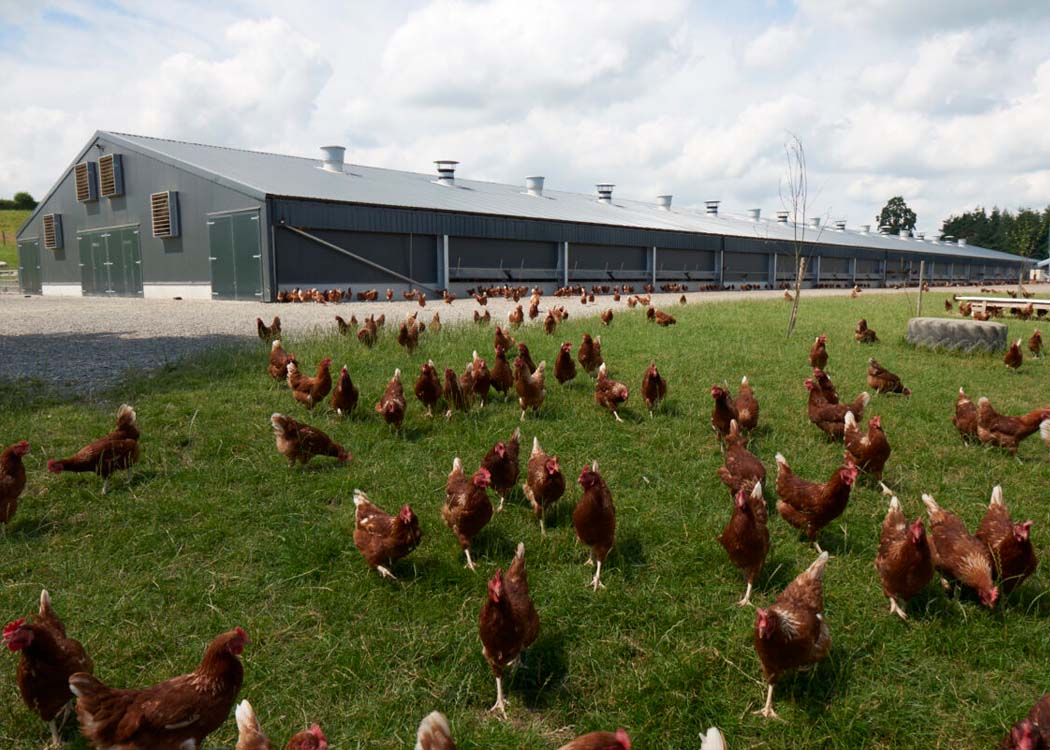
Updated British Egg Industry Council guidance allows AviPro Salmonella Duo to be administered during lay, offering producers additional protection against Salmonella later in the production cycle.
LONDON: UK egg producers have welcomed the introduction of a new in-lay vaccination option against Salmonella, a move industry experts say better reflects the changing realities of modern egg production and longer-living laying hens.
The British Egg Industry Council (BEIC) has approved a derogation to the Lion Code of Practice allowing AviPro Salmonella Duo to be used during the laying period. Previously, the vaccine was administered only during the rearing stage.
According to animal health company Elanco, the updated approach comes as flock management practices evolve and hens remain productive for longer periods, creating a need for vaccination strategies that provide protection later in the production cycle.
Joshua Davison and Jeremy Marsh of Elanco said the industry had long recognized the need to adapt existing vaccination programs.
“For some time, the sector has recognised that as laying cycles become longer and flock performance continues to improve, vaccination programmes need to evolve alongside them,” they said.
The revised authorization gives producers greater flexibility to strengthen Salmonella protection throughout extended laying periods. However, Davison and Marsh stressed that decisions regarding the use of the vaccine should be made individually for each flock.
They said producers, veterinarians, and packers should assess the specific requirements and risk profile of individual sites before deciding whether to implement in-lay vaccination. With more hens remaining in production for longer, they expect interest in the approach to increase.
Because administering a live Salmonella vaccine during lay represents a new management practice for many producers, industry experts emphasized the importance of clear protocols, communication, and staff training to ensure successful implementation.
Elanco said it is supporting the rollout through educational initiatives and guidance programs aimed at producers, veterinarians, and packing facilities.
The company also emphasized that in-lay vaccination should complement—not replace—existing biosecurity measures and established Salmonella prevention programs.
“The industry has been asking for a vaccination programme that better reflects the reality of longer-lived hens, and we have now got it,” Davison and Marsh said.
“The priority now is to ensure it is used confidently, consistently and in the right situations, to help maintain the egg industry’s strong track record of Salmonella control.”
Industry specialists say the updated guidance could help sustain the UK egg sector’s longstanding efforts to minimize Salmonella risks while adapting to changing production practices and improving flock performance.