

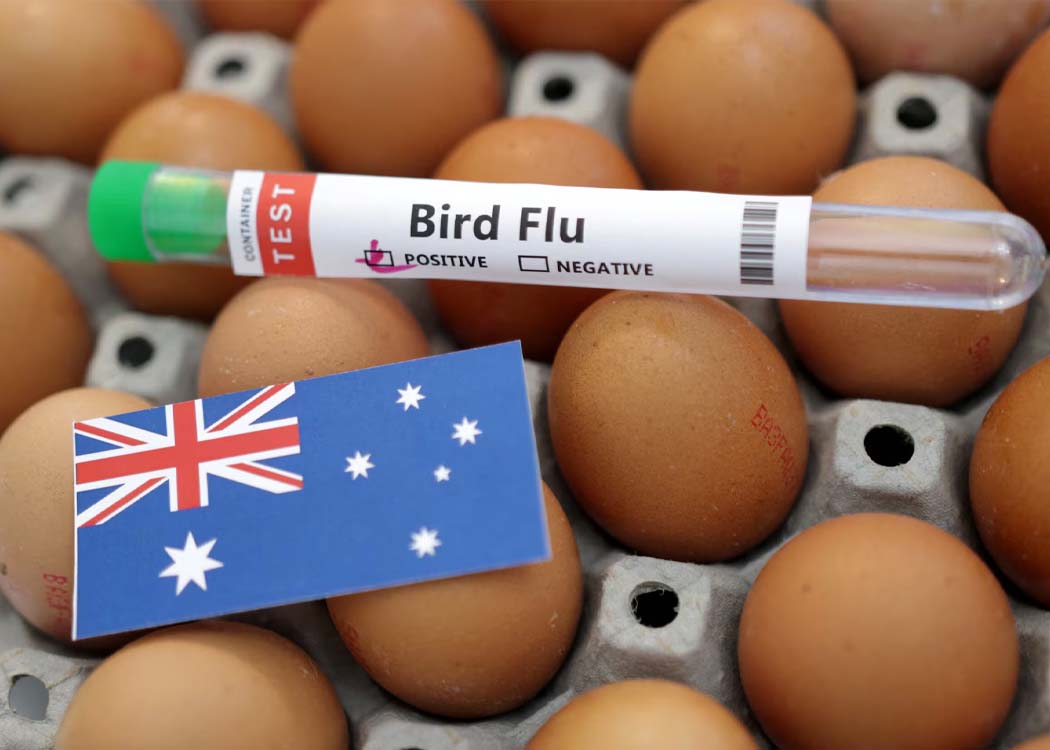
Business groups warn that an outbreak of H5N1 in commercial poultry farms could force months-long farm closures, trigger mass culling and drive up egg prices, even as Australia has yet to detect the virus in domestic poultry.
CANBERRA: Australia’s poultry industry is on high alert after the spread of the highly pathogenic H5N1 bird flu virus in wild birds raised concerns over potential disruptions to egg supplies and sharp price increases.
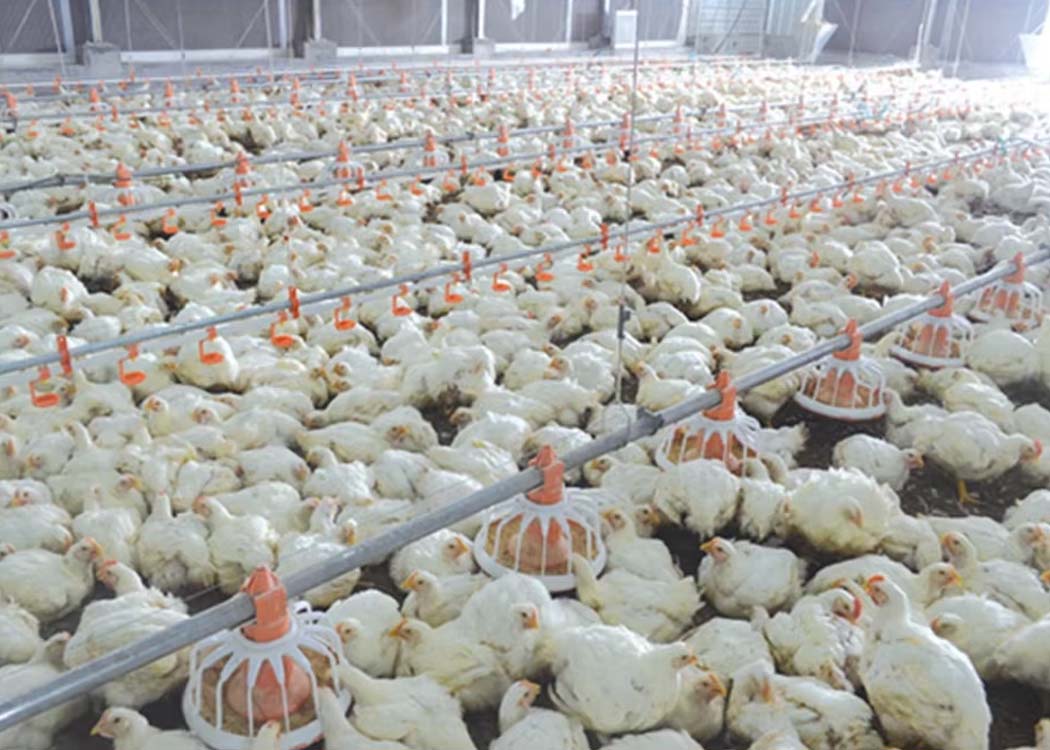
While there is currently no evidence that H5N1 has spread to commercial poultry flocks, industry leaders warn that an outbreak could force infected farms to close for several months, requiring producers to restock birds and wait for new flocks to reach egg-laying age.
The Chamber of Commerce and Industry in Western Australia has warned that such a scenario could push egg prices above A$10 per carton, urging governments to prepare financial support for affected producers.
Globally, H5N1 has caused unprecedented outbreaks, with the World Organisation for Animal Health reporting that around 140 million farmed birds have died or been culled since January 2025. In the United States, efforts to control the virus contributed to a 220% surge in egg prices earlier this year.
Australia’s poultry sector, which contributes more than A$10 billion to the national economy, has previously contained H7 avian influenza outbreaks in 2024 and 2025. Those outbreaks led to the culling of about 2 million chickens, reducing the country’s egg-laying flock by around 7% and increasing egg prices.
Veterinary experts say the current H5N1 strain poses a greater challenge because it can infect a wider range of wild birds and mammals, increasing the risk of transmission to poultry through wildlife, contaminated equipment, clothing, vehicles, feed or water.
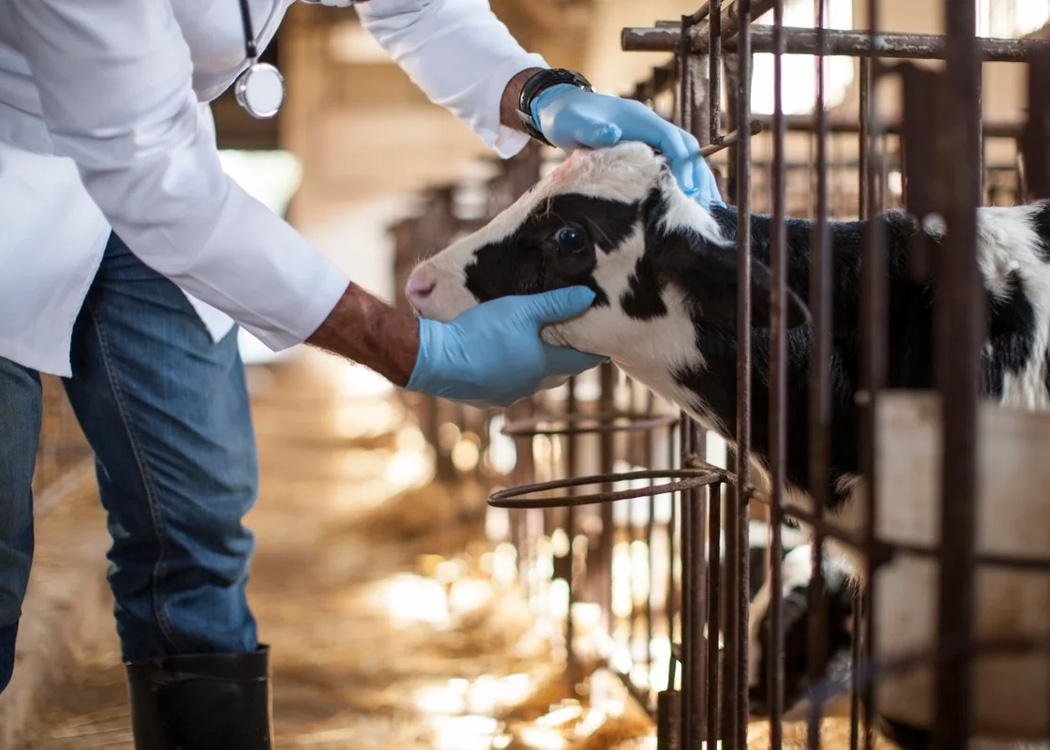
Authorities and producers have strengthened biosecurity measures, including restricting farm access, improving hygiene protocols and, in some cases, keeping birds indoors to minimise contact with wild birds.
Under Australia’s national avian influenza response plan, any confirmed outbreak would trigger strict quarantine measures, surveillance, movement controls and, if necessary, large-scale culling to contain the virus while limiting economic and public health impacts.