

• Home
  • About Us
  • Advertise with us
  • Contact
Friday, May 15, 2026
No Result
View All Result
Agro Veterinary News
  • National
  • Colleges
  • Clinical
  • International
  • Regional
  • Research
  • Opinions
  • Blogs
  • E-Paper
    • E-Paper 2022
    • E-Paper 2021
    • E-Paper 2020
  • National
  • Colleges
  • Clinical
  • International
  • Regional
  • Research
  • Opinions
  • Blogs
  • E-Paper
    • E-Paper 2022
    • E-Paper 2021
    • E-Paper 2020
No Result
View All Result
Agro Veterinary News
No Result
View All Result
Home International News

Heat stress hits global livestock: Milk, meat & poultry under pressure

by Liaquat Jatoi
May 15, 2026
in International News
0
Livestock such as dairy cattle, beef herds, and poultry are experiencing heat stress due to rising global temperatures, leading to reduced productivity and higher disease risks in modern farming systems.

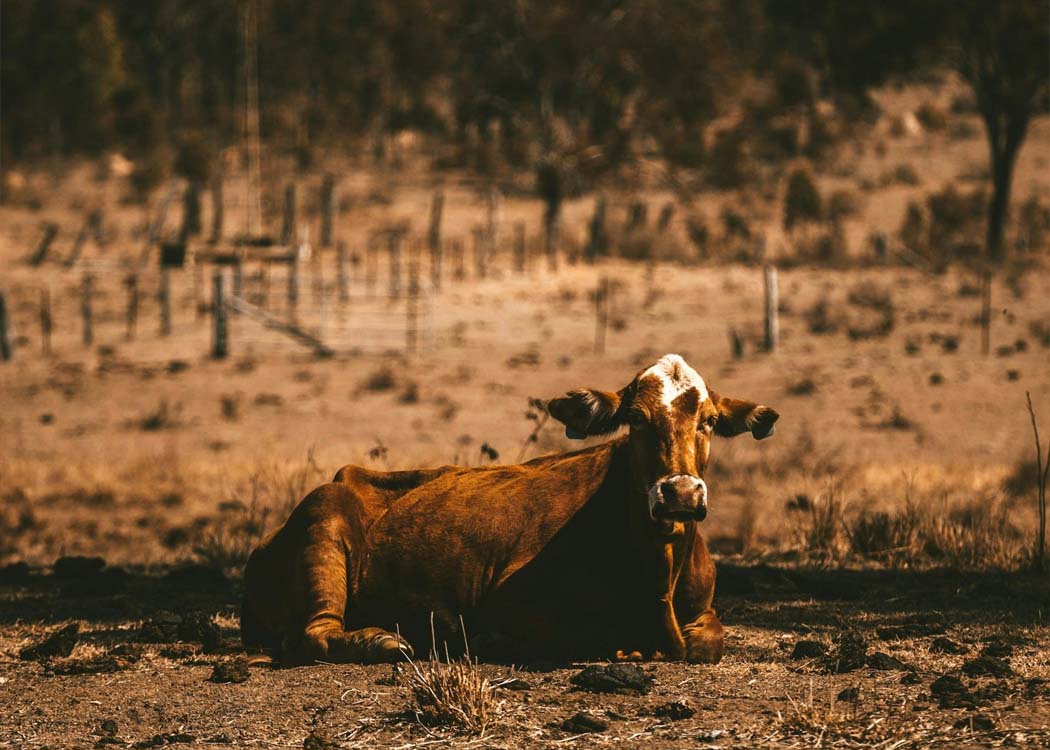
Rising global heat is putting livestock under serious stress—impacting milk, meat, and poultry production while reshaping global food security systems. (Image courtesy of Josh Marshall/Unsplash, CC BY-NC-ND via UTS)

0
SHARES
6
VIEWS
Share on FacebookShare on Twitter

Rising global temperatures are disrupting dairy and beef production, driving feed costs higher, and increasing disease risks in poultry systems worldwide.

Global livestock systems are entering a critical stress phase as rising temperatures continue to disrupt animal productivity, feed supply chains, and overall meat and dairy output across multiple regions.

According to recent international assessments, dairy cattle and beef herds are increasingly suffering from heat stress, leading to reduced milk yield, slower growth rates, and declining reproductive performance. In extreme heat zones, livestock mortality risks are also rising, particularly where cooling infrastructure and veterinary support are limited.

At the same time, feed cost volatility is adding further pressure on meat production systems, forcing producers to adjust herd sizes and production cycles in response to unpredictable input prices.

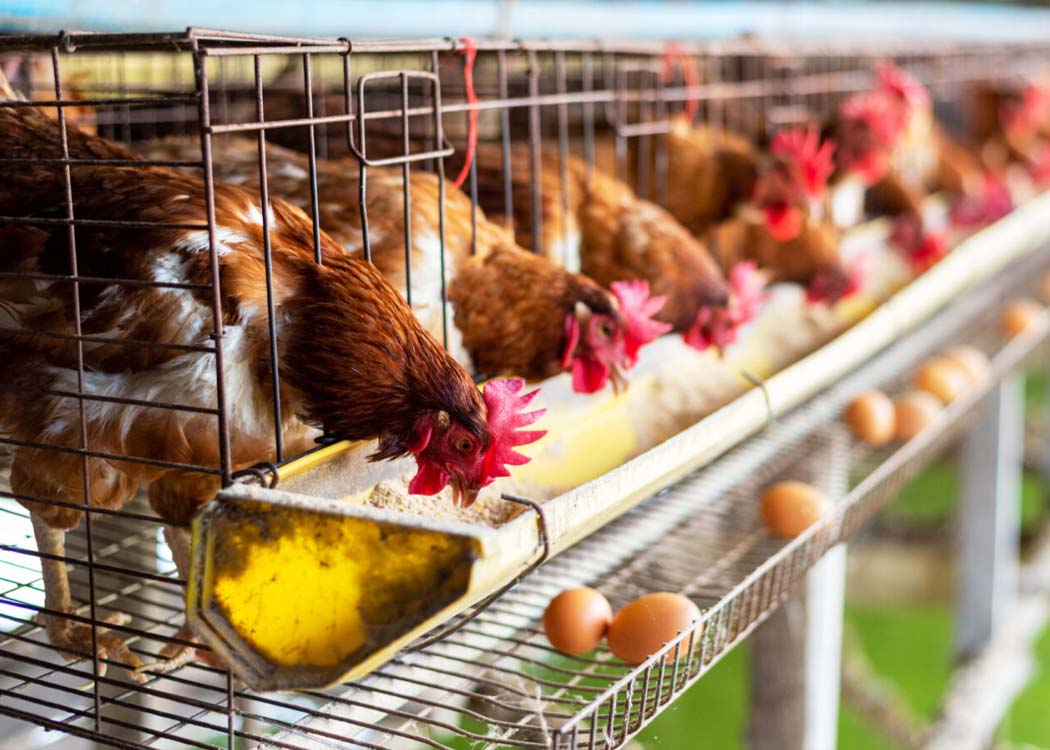
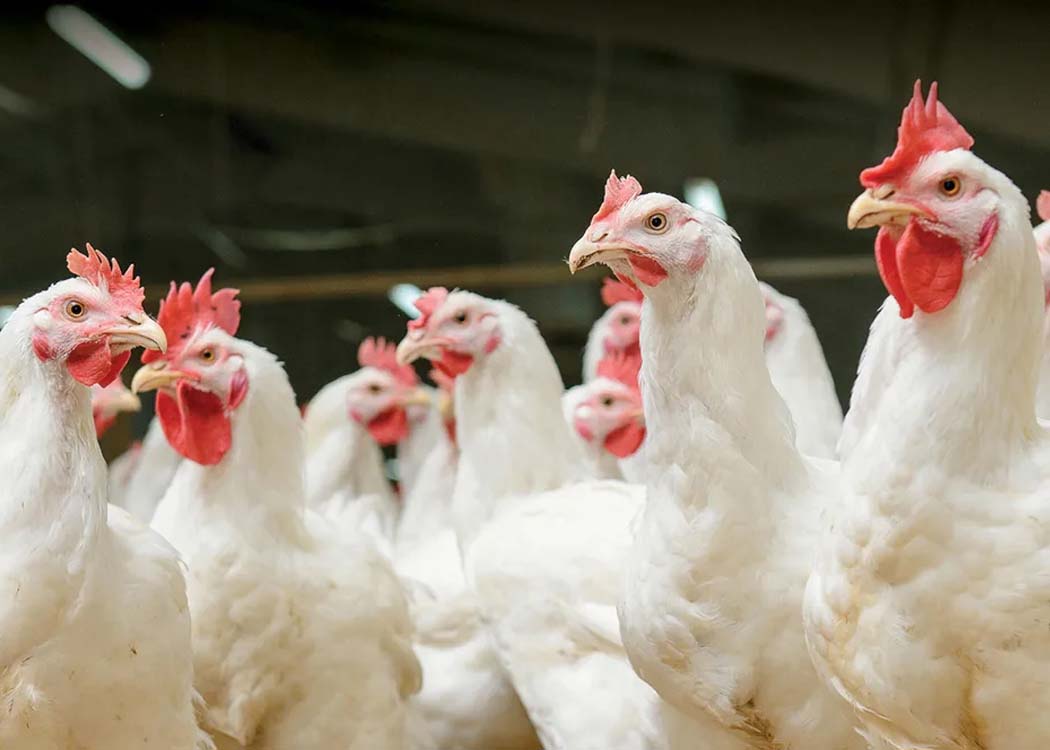
Experts highlight that while all livestock sectors are affected, poultry remains the fastest-growing global protein source due to its affordability and efficiency. However, it is also emerging as one of the most vulnerable sectors, with higher sensitivity to heat stress, dense farming systems, and increased risk of infectious disease outbreaks.

Veterinary analysts warn that without improved climate adaptation strategies—such as better housing systems, heat mitigation technologies, and stronger disease surveillance—the productivity gap in global livestock systems is likely to widen further in the coming years.

The combined impact of climate stress and economic pressure is reshaping global food production patterns, making livestock resilience a central concern for food security planners worldwide.

Tags: Agriculture2026AgriNewsAnimalHealthBeefProductionClimateChangeFoodClimateImpactDairyIndustryFAOFoodSecurityGlobalAgricultureHeatStressLivestockCrisisMeatIndustryMilkProductionPoultryFarmingVeterinaryNewsWOAH
Liaquat Jatoi

Liaquat Jatoi

Leave a Reply Cancel reply

Your email address will not be published. Required fields are marked *

Recommended

UVAS Holds Meeting for The Expansion of Pakistan’s Dairy Sector

Govt Actively Working For Revamp Of Livestock Sector: VC, UVAS

8 years ago
CM Maryam Nawaz inaugurates Pakistan’s largest model cattle market in Lahore

CM Maryam Nawaz inaugurates Pakistan’s largest model cattle market in Lahore

12 months ago

Popular News

    Connect with us

    Agro Veterinary News

    © 2017 - 2026. All rights reserved Webmaster

    Navigate Site

    • Home
    • About Us
    • Advertise with us
    • Contact

    Follow Us

    No Result
    View All Result
    • National
    • Colleges
    • Clinical
    • International
    • Regional
    • Research
    • Opinions
    • Blogs
    • E-Paper
      • E-Paper 2022
      • E-Paper 2021
      • E-Paper 2020

    © 2017 - 2026. All rights reserved Webmaster