

Rana Tanveer Hussain meets Bangladeshi ministers in Rome to discuss disease surveillance, feed systems, antimicrobial resistance, agricultural trade and veterinary cooperation
ROME: Pakistan and Bangladesh have agreed to explore stronger cooperation across agriculture, livestock, fisheries and climate-resilient food production, with senior officials discussing joint challenges ranging from emerging diseases and antimicrobial resistance to feed systems, food safety and the effects of climate change.
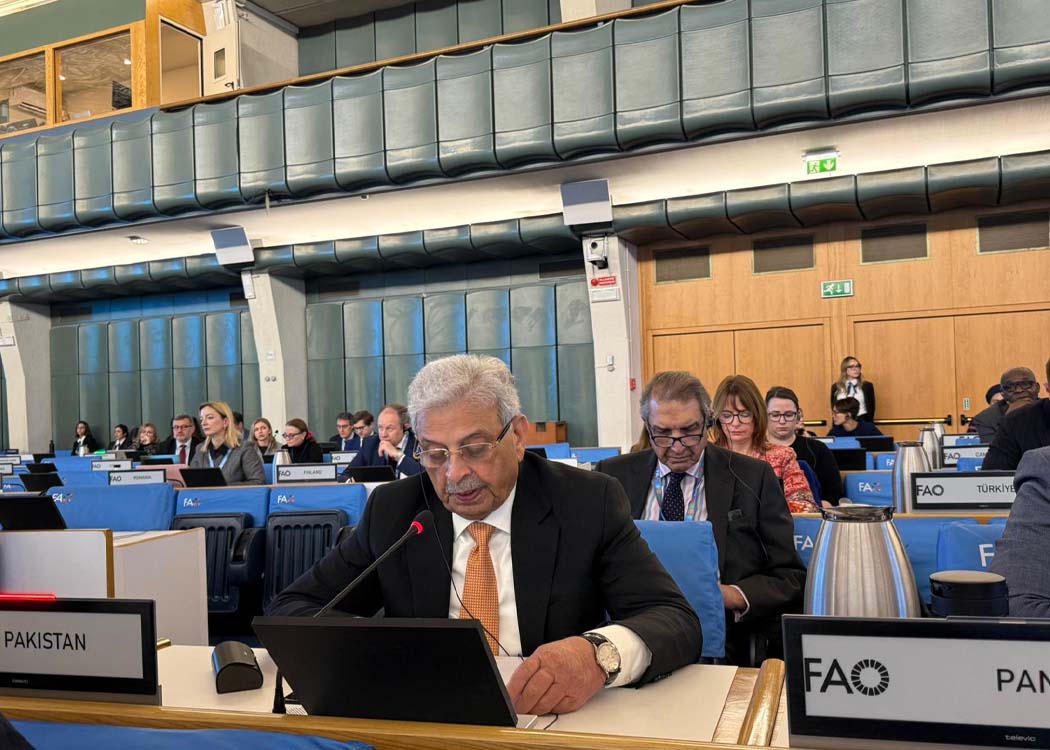
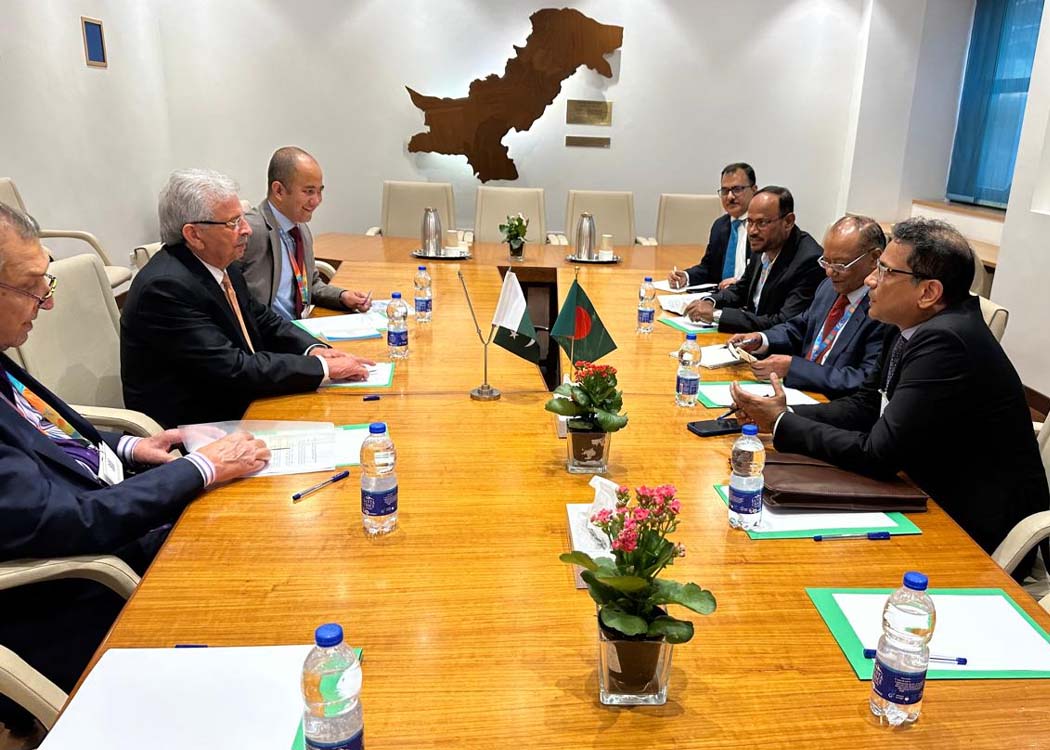
Federal Minister for National Food Security and Research Rana Tanveer Hussain held talks with Bangladesh’s Minister of Environment, Forest and Climate Change Abdul Awal Mintoo and Minister of State for Fisheries and Livestock Sultan Salauddin Tuku on September 23 on the sidelines of the FAO Global Conference for Actions on One Health in Agrifood Systems in Rome.
The meeting placed agriculture and allied sectors at the centre of discussions between the two South Asian countries, which face similar pressures from climate change, environmental degradation, animal diseases and the need to strengthen food production and rural livelihoods.
Rana Tanveer Hussain said closer cooperation between Pakistan and Bangladesh could help address challenges spanning animal, human and environmental health, reflecting the One Health approach promoted at the FAO conference.
The Pakistani minister highlighted opportunities to expand bilateral collaboration in agricultural trade, research, mechanisation, livestock breed improvement and technical capacity building. He also proposed stronger institutional links and technical exchanges involving agriculture and veterinary sciences.
Livestock and fisheries emerge as key areas for cooperation
Bangladesh’s Minister of State for Fisheries and Livestock Sultan Salauddin Tuku highlighted the importance of livestock and fisheries to food security, nutrition and rural livelihoods.
The discussions covered possible cooperation in livestock development, improved production systems, disease prevention, research and technical training. Both sides also identified opportunities to share expertise and strengthen institutional relationships between relevant organisations in the two countries.
For the livestock and poultry sectors, the talks included several areas with direct implications for production and animal health, including disease surveillance, antimicrobial resistance, feed and fodder systems and climate-smart livestock production.
The emphasis on antimicrobial resistance is particularly relevant to animal agriculture, where responsible antimicrobial use, disease prevention and surveillance are increasingly linked to both animal health and wider public health concerns.
Climate change adds urgency to agrifood cooperation
Rana Tanveer Hussain noted that Pakistan and Bangladesh share vulnerabilities as agriculture-dependent countries facing increasing climate-related pressures.
The discussions examined ways to develop more resilient agrifood systems through climate adaptation, improved production practices and technical cooperation.
The Bangladeshi side also stressed the importance of coordinated responses to climate change and environmental challenges, with Abdul Awal Mintoo highlighting the potential value of exchanging knowledge and practical experience between the two countries.
The meeting explored climate-smart livestock production, feed and fodder systems, disease surveillance, antimicrobial resistance, food safety and value addition as potential areas for sustained technical engagement.
These areas extend cooperation beyond conventional agricultural trade, potentially linking research institutions, veterinary organisations, livestock producers and other stakeholders involved in food production and animal health.
Pakistan seeks follow-up talks in Islamabad
The meeting concluded with an invitation from Rana Tanveer Hussain for the Bangladeshi ministers to visit Pakistan for further bilateral discussions.
The proposed follow-up engagement would focus on agriculture, fisheries, livestock and climate-resilient agrifood systems, with both sides stressing the need to turn high-level discussions into practical areas of cooperation.
The talks took place during the FAO Global Conference for Actions on One Health in Agrifood Systems in Rome, where food systems, animal health, environmental pressures and public health are being considered as interconnected components of global food security. For Pakistan and Bangladesh, the Rome meeting opened a potential channel for deeper technical cooperation in sectors that directly affect food availability, animal health, rural incomes, agricultural productivity and climate resilience.