

Cotton prices have fallen sharply across Pakistan after the federal budget failed to deliver expected tax relief for ginners and textile manufacturers, raising concerns about profitability, production, and the future of the country’s struggling cotton economy.
LAHORE: Pakistan’s cotton market has entered a period of heightened uncertainty after cotton prices recorded a steep decline following the federal government’s budget announcements, triggering alarm among ginners, traders, textile manufacturers, and agricultural stakeholders.
Industry representatives say the market downturn was largely driven by the absence of anticipated fiscal relief measures for the cotton ginning and textile sectors in the federal budget for 2026-27, prompting concerns that the country’s already struggling cotton economy could face further pressure in the months ahead.
Cotton prices suffer sharp decline
Over the past several trading sessions, cotton prices have dropped significantly across major markets.
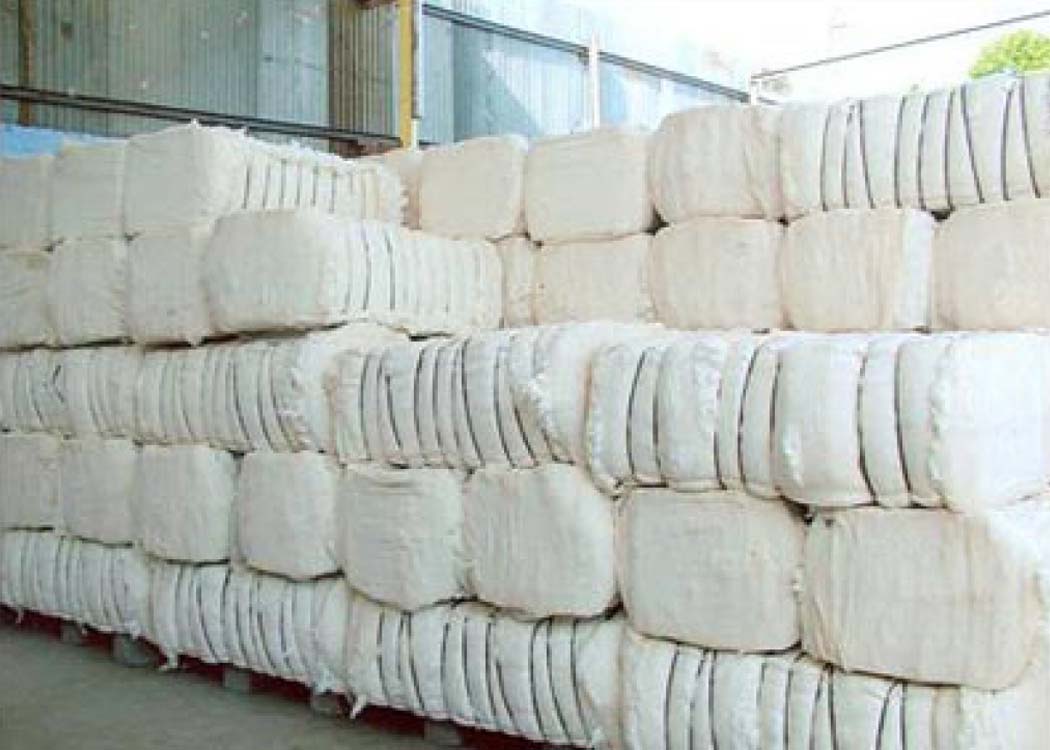
The benchmark spot rate issued by the Karachi Cotton Association (KCA) fell substantially, while open-market prices also weakened in both Punjab and Sindh. Market participants describe the decline as one of the sharpest price corrections witnessed in recent months.
Traders say the fall reflects growing uncertainty regarding production costs, taxation policies, and the overall profitability of cotton-related businesses.
Industry expected tax relief in budget
Before the federal budget announcement, cotton sector stakeholders had been lobbying for a range of fiscal incentives aimed at improving competitiveness and reducing operational costs.
Industry leaders had sought reductions in sales tax, lower income tax burdens, and relief from rising electricity charges, arguing that escalating costs were eroding margins throughout the cotton value chain.
However, many of the measures anticipated by the sector were not incorporated into the budget, leading to disappointment among market participants and triggering a negative reaction in cotton trading activity.
Ginners warn of worsening financial pressure
Representatives of Pakistan’s ginning industry say the sector is facing mounting financial challenges due to a combination of taxation, rising utility costs, and declining profitability.
Industry leaders argue that the cumulative tax burden on cotton-related businesses has become increasingly difficult to sustain, particularly at a time when domestic cotton production remains under pressure and competition from imported cotton continues to intensify.
According to sector representatives, higher electricity fixed charges have further increased operational expenses for ginning factories, many of which are already operating on narrow margins.
Concerns grow over undocumented trade
Industry stakeholders have also raised concerns that excessive taxation could encourage businesses to move outside the documented economy.
Experts warn that when compliance costs become too high, portions of the supply chain may shift toward informal channels, reducing transparency and potentially affecting government revenue collection.
Economists note that maintaining a balance between revenue generation and sectoral competitiveness remains critical for industries that contribute significantly to exports and rural livelihoods.
Weather threats add to production worries
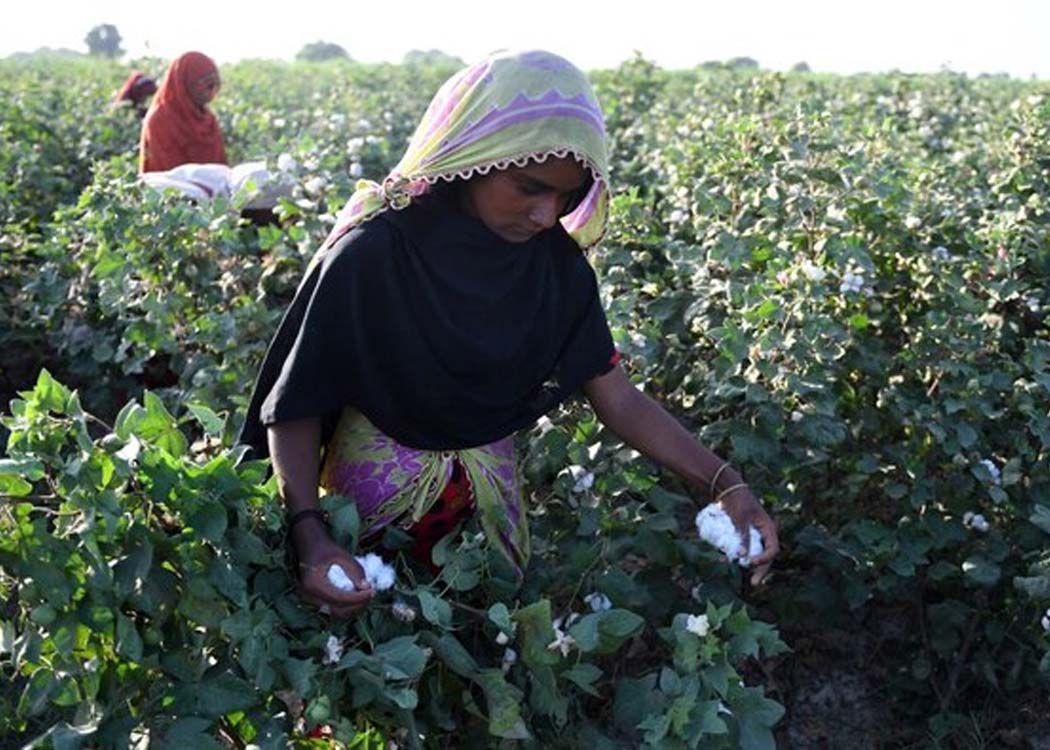
The market uncertainty comes at a challenging time for cotton growers.
Agricultural experts have expressed concern over weather-related risks affecting cotton-growing regions across Pakistan. Extreme temperatures, prolonged heatwaves, and irregular rainfall patterns have raised fears about crop development and eventual yields.
Pakistan’s cotton sector has struggled in recent years with climate-related disruptions, pest pressures, water shortages, and shrinking cultivation areas, all of which have contributed to lower domestic production.
Industry analysts caution that any significant reduction in the upcoming crop could further complicate supply conditions for the country’s textile sector, which remains heavily dependent on cotton as a raw material.
Imports may put additional pressure on prices
Market observers also point to international developments that could influence local cotton prices in the coming weeks.
Improved regional trade conditions and smoother logistics routes may increase the availability of imported cotton, potentially offering textile mills access to alternative supplies at competitive prices.
Trade circles believe that increased cotton inflows from neighboring markets could add further downward pressure on domestic rates, particularly if local production remains weak and demand from mills does not strengthen.
Why the cotton sector matters
Cotton remains one of Pakistan’s most strategically important agricultural and industrial commodities.
The crop supports millions of livelihoods through farming, ginning, transportation, textile manufacturing, and exports. It also serves as the backbone of Pakistan’s textile industry, which contributes a major share of the country’s export earnings.
Any prolonged weakness in cotton prices or production can therefore have implications far beyond agriculture, affecting employment, industrial output, and foreign exchange earnings.
Industry seeks urgent policy intervention
Stakeholders are now urging policymakers to revisit measures affecting the cotton and textile sectors before the finance bill is finalized.
Industry representatives argue that targeted relief on taxation, energy costs, and business operations could help restore market confidence, encourage investment, and support domestic cotton production. With the new cotton season underway and market sentiment remaining fragile, many within the sector believe the coming weeks will be critical in determining whether the current downturn stabilizes or develops into a deeper industry-wide challenge.