

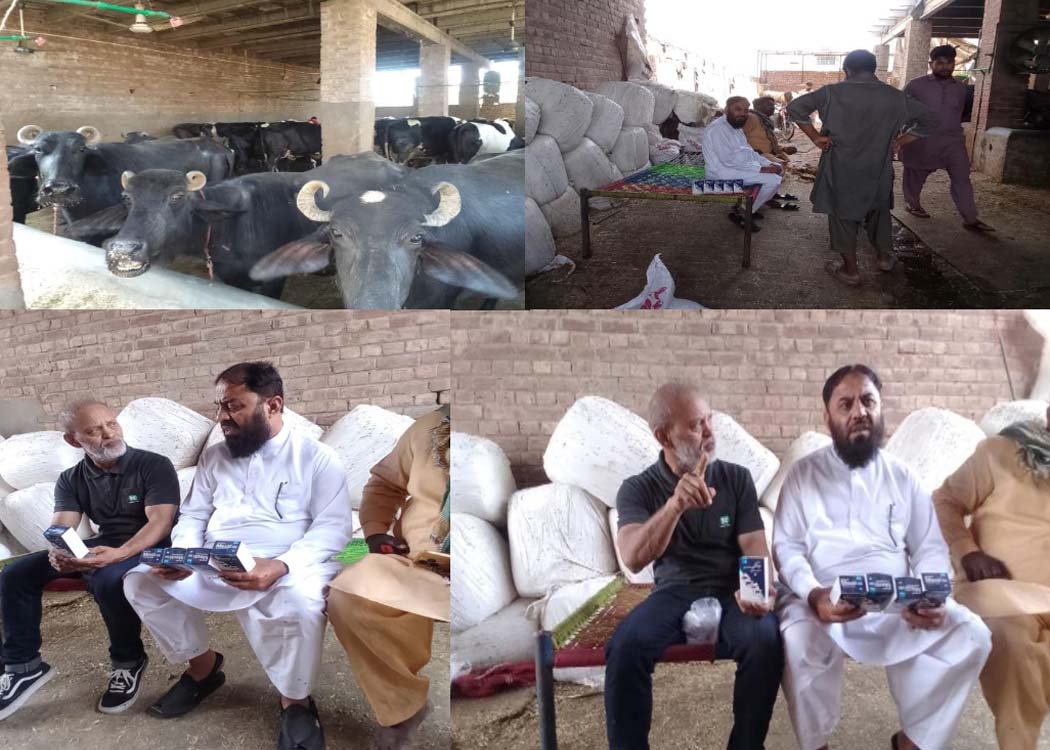
Veterinary team flags external parasite infestation during on-farm inspection in Rakh Chand Rai, educating farmers on tick-borne diseases and prevention strategies
GUJJAR COLONY, LAHORE: As Pakistan’s livestock sector continues to face persistent challenges from parasitic diseases, a recent field inspection at Meher Dairy Farm in Rakh Chand Rai highlighted a growing but often underestimated threat—external parasites, particularly ticks.
During the on-farm visit conducted under an ongoing deworming and animal health awareness initiative, veterinary teams identified the presence of tick infestations in cattle, raising immediate concerns over potential secondary infections and productivity losses.
Ticks, while small in size, are known to carry serious disease risks for livestock. Their presence can trigger a chain of infections that significantly affect animal health and farm output if left unmanaged.
Awareness on tick-borne diseases and farm risk
Following the inspection, farmers were provided detailed guidance on the consequences of tick infestations, particularly the diseases commonly associated with them in livestock systems.
These include:
- Theileriosis
- Babesiosis
- Anaplasmosis
Veterinary experts explained how these conditions can lead to fever, weakness, reduced milk production, weight loss, and in severe cases, mortality—directly impacting farm profitability.
Farmers were also educated on early detection signs, treatment approaches, and the importance of consistent parasite control practices to prevent recurrence.
Preventive approach at the core of livestock health
The visit is part of a broader national livestock health initiative led by International Pharma Labs, a veterinary pharmaceutical company with over two decades of service in animal health.
The program focuses on shifting livestock care from reactive treatment to preventive management—emphasizing routine deworming, parasite control, and farmer education as key tools for improving herd performance.
Field teams continue to work directly with farmers to promote:
- Regular deworming schedules
- Improved hygiene and biosecurity practices
- Early disease recognition
- Timely veterinary intervention
Linking animal health to productivity
Experts involved in the initiative stress that parasite control is not only a health issue but also an economic one. Tick infestations and related diseases can silently reduce milk yield, slow growth rates, and increase treatment costs—placing long-term pressure on farmer incomes.
By addressing these risks at the farm level, the program aims to strengthen livestock productivity and support rural livelihoods across Pakistan’s dairy sector.
A continued national outreach effort
International Pharma Labs has confirmed that field-based inspections, deworming activities, and farmer awareness sessions will continue across multiple regions as part of its nationwide campaign. The latest visit in Lahore reinforces a consistent message being delivered across the field: sustainable livestock farming begins with prevention, awareness, and timely action against parasitic threats.