

Growing soybean imports are strengthening supplies for Pakistan’s poultry and livestock feed industries, with USDA data projecting 2.6 million tonnes of total soybean imports for 2026/27 as feed demand recovers.
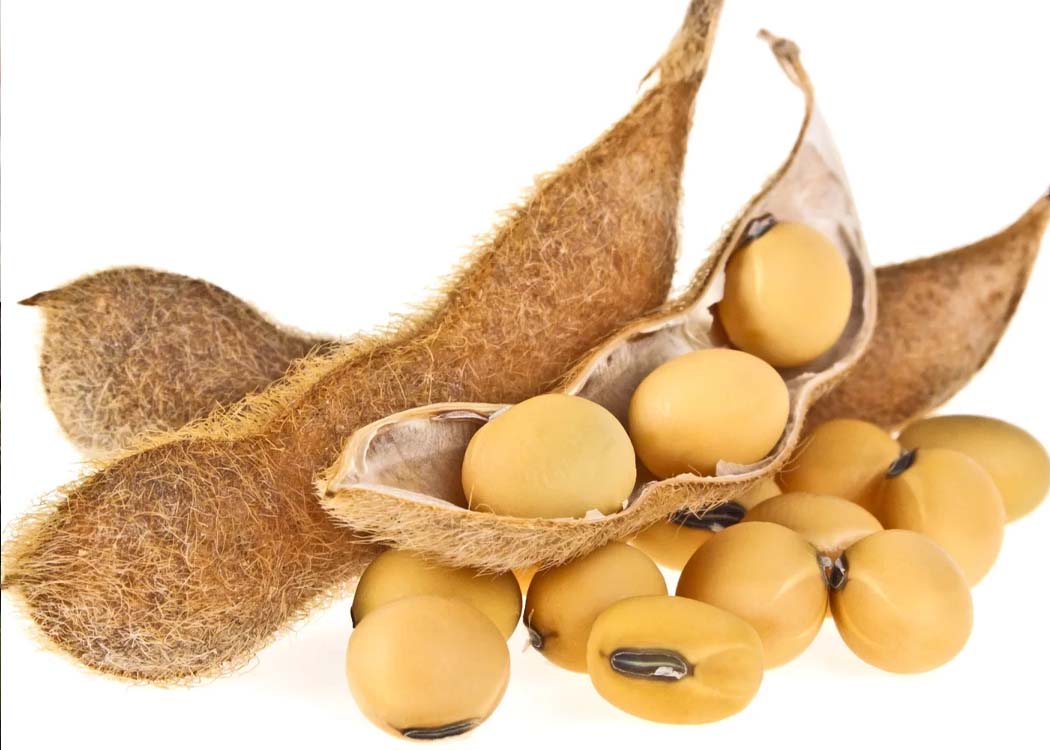
ISLAMABAD: Pakistan is importing more than one million tonnes of soybeans from the United States annually, highlighting the growing importance of the crop to the country’s poultry and livestock feed industries and the wider agricultural trade relationship between Islamabad and Washington.
The figure was highlighted by Pakistan’s Ambassador to the US Rizwan Saeed Sheikh during a meeting with US Soybean Export Council (USSEC) Chief Executive Officer Jim Sutter on the sidelines of the US Soy Connext Conference in Chicago.
According to the Pakistan Embassy in Washington, Pakistan has emerged within a relatively short period as one of the leading global destinations for US soybeans, with annual imports exceeding one million metric tonnes.
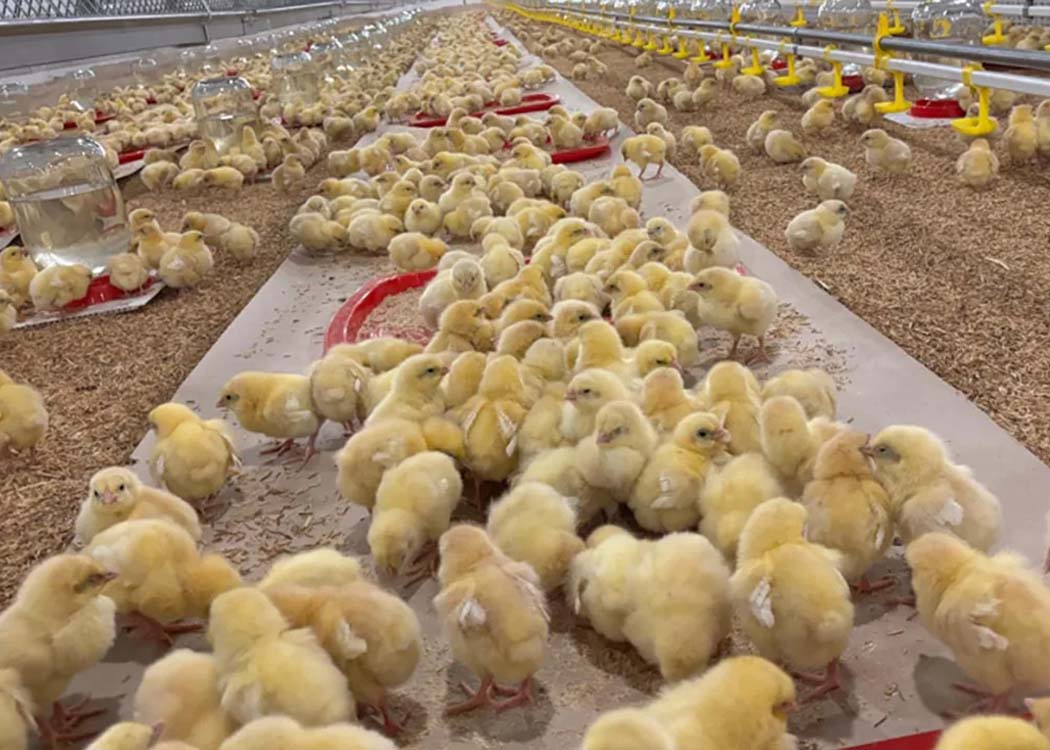
The development is particularly significant for Pakistan’s poultry industry because soybean is a major source of protein used in poultry feed. Any change in the availability or cost of imported soybean can therefore have implications across the poultry production chain, from feed mills and farmers to chicken and egg producers.
Why soybean matters to Pakistan’s poultry industry
Pakistan’s poultry sector remains heavily dependent on imported soybeans to meet its protein-meal requirements.
A recent USDA Foreign Agricultural Service assessment projects 2.6 million tonnes of soybean imports for Pakistan in 2026/27, as part of total oilseed imports estimated at 3.4 million tonnes. The report attributes the expected increase to strong demand from the country’s domestic crushing and feed industries.
The dependence has also made soybean availability an important factor in the recovery of Pakistan’s poultry industry.
According to the USDA assessment, Pakistan’s poultry sector was severely affected by soybean supply disruptions and high feed costs over the previous three years. As imported soybean supplies stabilised, previously closed feed mills began resuming operations, supporting a recovery in poultry production.
Soybean imports could shape chicken and egg production
For poultry producers, soybean is not simply another agricultural commodity. Soybean meal is one of the key protein ingredients used in poultry rations, making reliable supplies important for maintaining feed production.
USDA data indicate that soybean imports during the first six months of marketing year 2025/26 reached almost 1.7 million tonnes, with the pace of imports driven largely by increasing US soybean exports to Pakistan.
The USDA expects this momentum to continue into 2026/27 as feed mills that had previously suspended or reduced operations return to capacity.
The relationship between soybean supplies and poultry prices, however, is not a simple one-to-one calculation. Feed represents a major production cost, but chicken and egg prices are also influenced by energy, transportation, farm-level costs, disease conditions, seasonal demand, currency movements and other inputs.
Still, stable access to competitively priced soybean supplies can help reduce one major source of pressure on poultry producers.
Pakistan and US explore wider soybean cooperation
The growing trade is also being accompanied by discussions about expanding cooperation beyond the physical movement of soybeans.
During the Chicago meeting, Pakistani and US officials and industry representatives discussed opportunities across the soybean value chain, including trade, technical cooperation and stronger links between businesses.
The two countries are also exploring greater cooperation in animal feed, poultry, dairy and food processing, according to the Pakistan Embassy.
Ambassador Rizwan Saeed Sheikh said the growth in soybean trade reflected Pakistan’s expanding domestic demand and the potential for mutually beneficial commercial partnerships between Pakistani and US businesses.
From imported soybean to the poultry value chain
The significance of the trade becomes clearer when the entire production chain is considered.
Imported soybeans can enter Pakistan’s domestic crushing and feed industry, where soybean meal becomes an important protein component of animal feed. That feed then supports poultry production, particularly the broiler and layer sectors.
This means developments in soybean availability can potentially affect feed mills, poultry farms, broiler production, layer operations and ultimately the supply of chicken and eggs.
USDA projections point to continued growth in soybean availability alongside recovering poultry-sector demand. The agency also expects total meal consumption in Pakistan to reach about 3.32 million tonnes in 2025/26, a 17 percent increase from the previous year, with increased soybean availability expected to support crushing and feed production.
Import dependence remains a vulnerability
The rising volume of imports also underscores a structural vulnerability in Pakistan’s poultry-feed system.
Pakistan currently relies heavily on imported soybeans because domestic soybean production remains limited and fragmented. A USDA assessment said the country is not expected to achieve sufficient domestic production in the foreseeable future to significantly reduce its dependence on imported soybeans.
That means international prices, shipping costs, trade policies, import regulations and the availability of genetically engineered soybean supplies can all influence the domestic feed market.
The issue has been particularly sensitive since Pakistan’s restrictions on genetically engineered soybean imports disrupted soybean availability and affected feed production. The subsequent resumption of imports helped revive feed-compounding activity and poultry-sector demand.
What it means for Pakistan’s poultry sector
For poultry producers, the latest trade figures point to an improving supply environment, but they also underline how closely Pakistan’s chicken and egg industries are tied to international agricultural markets.
More than one million tonnes of annual US soybean imports represents a substantial trade relationship, while USDA projections indicate that Pakistan’s overall soybean imports could reach 2.6 million tonnes in 2026/27.
If stable supplies continue, poultry feed manufacturers and producers could benefit from greater availability of a key protein ingredient. But continued dependence on imports means the sector remains exposed to global commodity prices, supply disruptions and policy changes. For consumers, the ultimate impact will depend on how feed costs interact with other poultry production expenses and market conditions. The soybean trade therefore matters not only to farmers and feed mills, but to the broader chicken and egg supply chain in Pakistan.